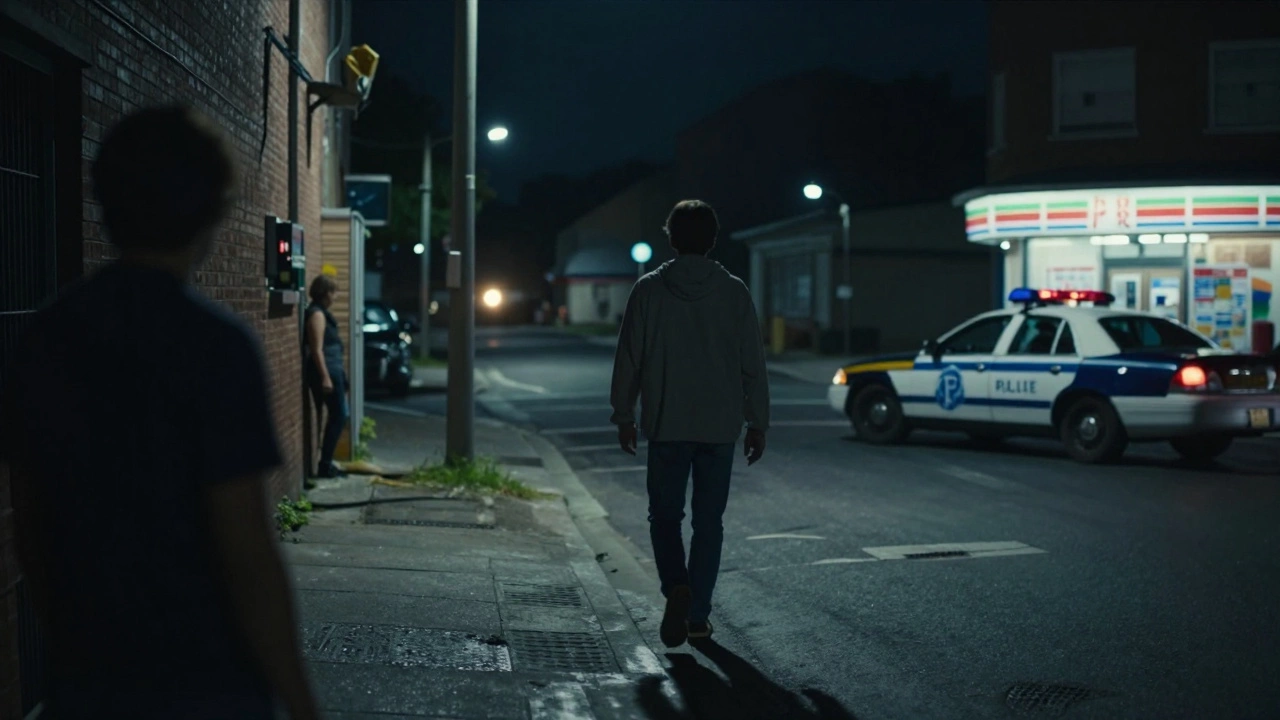
Whorephobia isn’t just prejudice against sex workers-it’s a system that traps everyone. It fuels laws that make survival harder for people who exchange sex for money, pushes communities into silence, and lets predators operate with less fear of consequences. When we treat sex work as something to shame or erase, we don’t make society safer. We just make it crueler and more confusing. You might think this doesn’t affect you, but it does. It affects how police respond to violence, how housing gets denied, how healthcare is accessed, and even how your neighbor’s child sees consent and dignity in relationships.
Take a moment to consider how often you’ve heard someone say, "If you’re doing that, you’re asking for it." That phrase isn’t just rude-it’s dangerous. It’s the same logic used to blame victims of assault, to ignore trafficking survivors who aren’t "rescued" in Hollywood ways, and to justify ignoring people who need help because they don’t fit a certain image. The idea that sex work is inherently degrading ignores the reality that many people choose it for stability, autonomy, or survival. And yes, some people do turn to sex work because they have no other options. That doesn’t make them less human. It makes the system that failed them the problem. If you’ve ever searched for banana republic ae to find a shirt, you know that consumer choice doesn’t define morality. The same applies here.
How Whorephobia Makes Everyone Less Safe
When sex work is criminalized, people who do it are forced underground. They can’t screen clients properly. They can’t report abuse without fear of arrest. They can’t get medical care without being judged or reported. This isn’t hypothetical. In places where selling sex is illegal, rates of violence against sex workers are up to 50% higher than in places where it’s decriminalized, according to research from the World Health Organization and the Lancet. But here’s the twist: when sex workers are pushed into hiding, so are the predators who target them. Law enforcement can’t track patterns, community watch groups can’t intervene, and neighbors don’t know what’s happening down the street. Whorephobia doesn’t stop crime-it hides it.
And it’s not just sex workers who suffer. Imagine a teenager who’s being groomed online. If they’re scared to speak up because they think anyone who talks about sex work is "dirty," they might stay silent. If a survivor of trafficking is told they "chose this," they might believe it and never seek help. Whorephobia creates a wall between people who need support and the systems that could give it to them.
The Myth of the "Rescue" Narrative
Too often, people who want to "help" sex workers focus on raids, arrests, and "rescue missions"-usually led by outsiders who’ve never talked to someone who actually does this work. These efforts rarely address the root causes: poverty, lack of housing, immigration status, or trauma. In fact, they often make things worse. When a person is arrested for sex work, they lose their ID, their job, their housing, and sometimes their children. They’re labeled as criminals, not survivors. Meanwhile, the men who pay for sex rarely face consequences. That’s not justice. That’s inequality dressed up as morality.
Real help looks different. It’s housing programs that don’t ask for a background check. It’s job training that doesn’t assume you’ve never had a job before. It’s legal aid that helps you get your name off a sex offender registry when you were forced into it as a minor. It’s healthcare that doesn’t ask if you’re "still doing that." But none of that can happen if society still believes sex workers are less worthy of dignity.
Whorephobia Isn’t Just About Sex-It’s About Control
At its core, whorephobia is about control. It’s about deciding who gets to have autonomy over their body, their time, and their income. It’s about punishing people who break rules that were never meant to protect them. Women, trans people, immigrants, and people of color are disproportionately targeted by these laws-not because they’re more likely to do sex work, but because society already sees them as disposable.
Look at how often people talk about "cleaning up" neighborhoods by pushing out sex workers. They don’t talk about why those neighborhoods became unsafe in the first place. They don’t mention the lack of public transit, the closed community centers, the landlords who raised rents. Instead, they blame the people who are already struggling to survive. That’s not fixing a problem. That’s kicking someone when they’re down.
And it’s not just happening in big cities. It’s in small towns, in suburbs, in places where no one talks about it but everyone knows someone who’s done it. You might not know it, but your cousin, your coworker, your neighbor’s kid-they might have turned to sex work during a crisis. And if they did, they probably didn’t tell anyone because they were afraid of being judged.
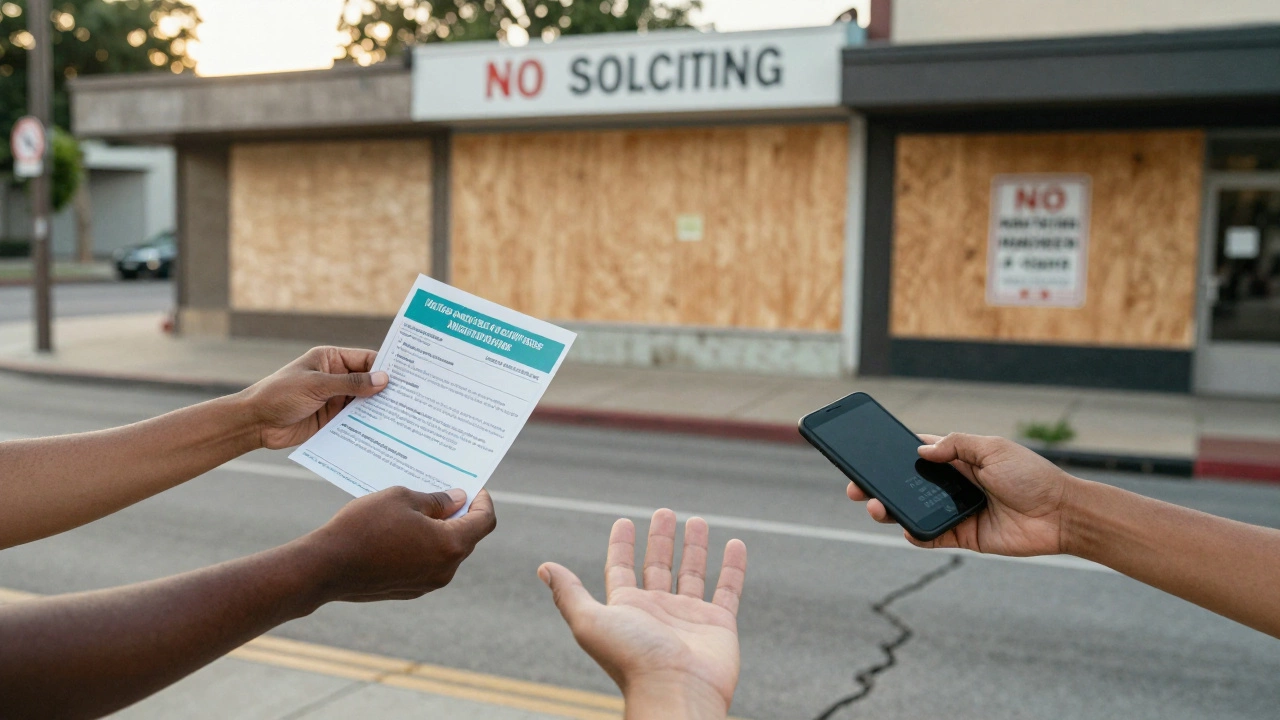
What Does Decriminalization Actually Look Like?
Decriminalization doesn’t mean no rules. It means treating sex work like any other job-regulated for safety, not punished for existence. In New Zealand, where sex work has been decriminalized since 2003, violence against sex workers dropped by 40%. Access to healthcare improved. Police started working with sex workers instead of against them. And the number of people in forced labor didn’t go up-it went down, because people could report abuse without fear.
It’s not magic. It’s common sense. When people can work openly, they can form unions, demand safer conditions, and use apps to share client reviews. They can go to the bank without being denied a loan. They can rent an apartment without being turned away. They can see a doctor without being lectured. That’s not about promoting sex work. That’s about recognizing basic human rights.
And yes, some people still get exploited. But criminalization doesn’t stop exploitation-it makes it invisible. Decriminalization makes it visible. And visibility is the first step to fixing it.
Why You Should Care, Even If You’ll Never Do It
You don’t have to support sex work to support the people doing it. You don’t have to understand it to believe they deserve safety. You don’t have to agree with their choices to recognize their humanity. Whorephobia doesn’t just hurt sex workers-it hurts everyone who’s ever been told they’re not good enough, not clean enough, not worthy enough.
Think about the last time you saw someone judged for their job, their past, their appearance. Maybe it was a cashier who got yelled at for being slow. Maybe it was a person sleeping on the street because they lost their job. Maybe it was someone you know who was fired after a breakup because their boss found their dating profile. That’s the same logic. That’s the same fear. That’s the same dehumanization.
Whorephobia teaches us that some lives are worth less. That’s not just wrong-it’s contagious. It spreads to how we treat people in every corner of society. When we accept that some people don’t deserve protection, we make it easier to ignore everyone else’s suffering too.
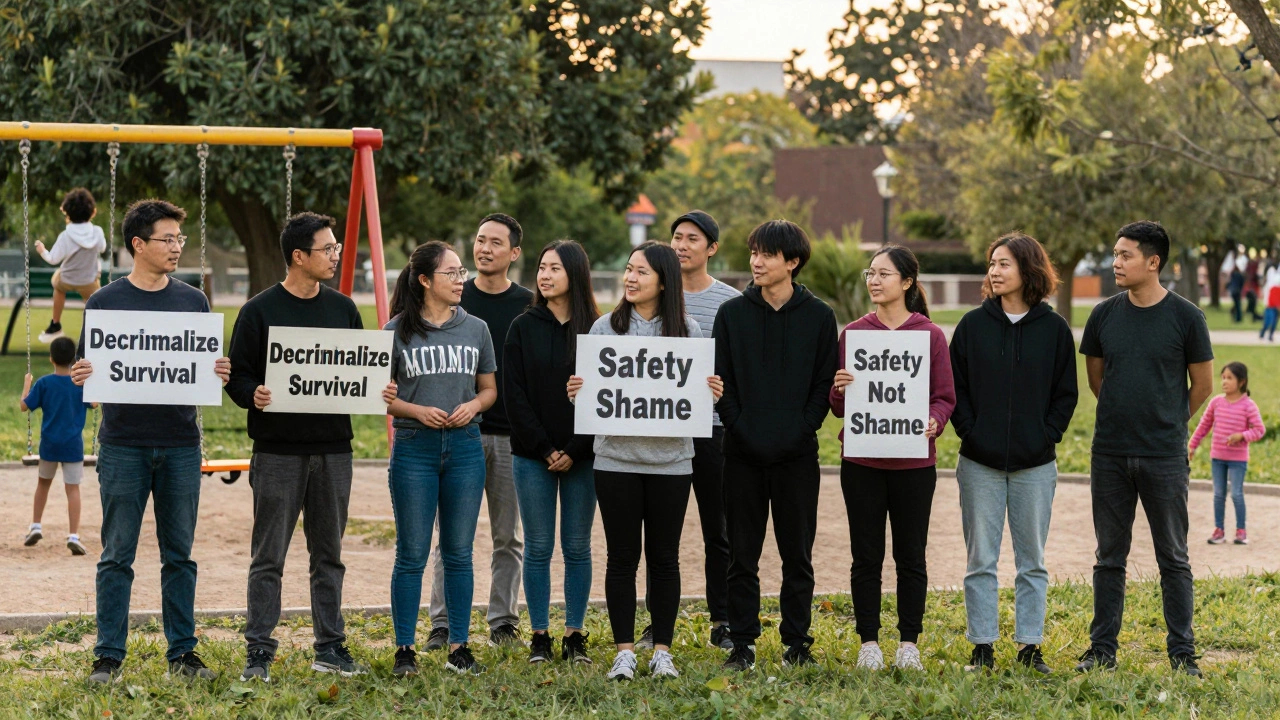
How to Start Changing This
You don’t need to be an activist to make a difference. Start small:
- Don’t repeat jokes about "hookers near me" or "dubai escort." They’re not funny-they’re degrading.
- If someone says something cruel about sex workers, ask: "Why do you think that way?" Not to argue. Just to listen.
- Support organizations that help sex workers with housing, legal aid, or health services-not "rescue" groups that push conversion therapy or abstinence.
- Vote for leaders who support decriminalization and harm reduction, not criminalization and stigma.
- Remember: the goal isn’t to make everyone agree. It’s to make sure no one gets hurt because of what someone else thinks.
It’s not about changing minds overnight. It’s about refusing to let silence be the default. Every time you challenge a stereotype, you make it a little harder for someone else to be punished for surviving.
Final Thought: You’re Not Alone in This
If you’re reading this and feeling uncomfortable, that’s okay. So was I the first time I talked to a sex worker who told me they were saving money to go back to school. Or the time I met a trans woman who said her only safe place was a park at night because no shelter would take her. Or the time a man told me he paid for sex because he’d never had a real relationship and didn’t know how to ask for help.
These aren’t outliers. They’re people. And they’re everywhere. You’ve probably passed them on the street. You’ve probably seen them on public transit. You’ve probably talked to them without knowing.
Whorephobia isn’t just a problem for sex workers. It’s a problem for everyone who believes in dignity, safety, and fairness. It’s time we stopped pretending it’s someone else’s issue. Because if we don’t fix this, we’re not just failing sex workers-we’re failing ourselves.